

Journal
Santorini’s new Building Legislation
Time to Read
Santorini, one of Greece’s most iconic destinations, is on the verge of implementing sweeping regulations aimed at addressing overtourism and preserving its famous landscape. The Environment Ministry has proposed legislation that would ‘Impose strict building restrictions within the island’s iconic caldera zone, sparking controversy among local business owners and residents.’ The proposed law seeks to halt new construction projects in the wider caldera area of Santorini and Therasia, including a suspension on building extensions, swimming pools, and new structures. While this is a response to the impact of tourism on the island’s fragile environment, this reactive measure fails to consider the long-term implications for Santorini’s economy and cultural identity.
The legislation aims to curb the growing strain on Santorini’s infrastructure, but it appears to disproportionately target the wrong problem. The influx of tourists from cruise ships, which bring millions of visitors annually, is the main contributor to overtourism, not those staying in local accommodations. Instead of offering a sustainable solution, this law neglects to address the core issue of overcrowding from day visitors and ultimately risks suffocating the very industry that keeps the island afloat: tourism.
In addition to its restrictions, the law imposes a “two-year deadline” for businesses to comply will likely create further strain for those involved with the construction and development of the island. The tight deadline could lead to rushed and poorly executed construction projects. This pressure, combined with rising construction costs, could result in even more unstable infrastructure. Greece has long struggled with incomplete construction projects scattered throughout the country, and this legislation may only exacerbate that issue on Santorini.
While the cap on new construction may sound like a necessary step to preserve the island’s traditional architecture, it overlooks a fundamental reality: preservation requires funding. Without a steady flow of tourism revenue, which new construction supports, Santorini may struggle to maintain its historic landmarks. Restricting growth also risks alienating local businesses, which have voiced concerns about how these limitations will impact their ability to cater to the millions of visitors the island attracts each year.
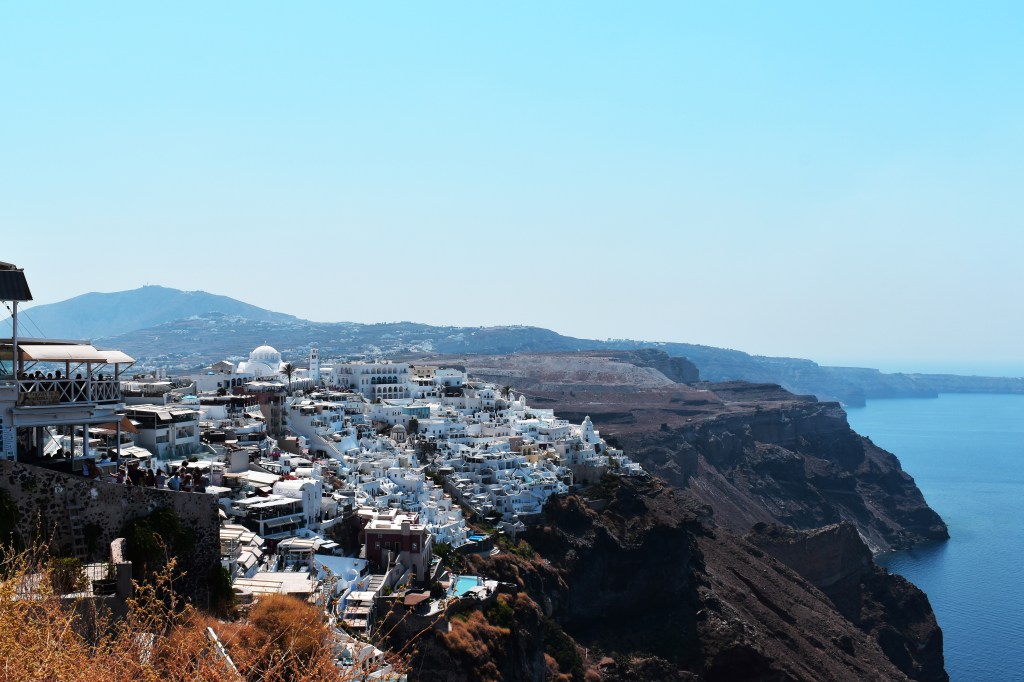
Fira and caldera cliffside
Positive Aspects of the Legislation
The introduction of a cap on cruise ships earlier this summer is a step in the right direction, but more thoughtful, targeted actions are needed. A strategic approach would involve investing in sustainable tourism initiatives that preserve the island’s environment while promoting responsible growth. For instance, encouraging eco-friendly accommodations and green energy projects would not only protect Santorini’s landscape but also enhance its appeal as a destination committed to sustainability.
Despite the broader concerns surrounding the proposed legislation, there are some noteworthy positive aspects, particularly the requirement for businesses in the Caldera region to conduct structural adequacy studies. This measure is a proactive step toward ensuring that Santorini’s iconic structures and landscapes remain safe and sustainable in the face of increasing environmental pressures.
Given the island’s history of seismic activity and recent landslide concerns, requiring structural adequacy studies introduces a much-needed layer of accountability for local businesses. The caldera’s steep slopes and geological vulnerabilities make this region particularly susceptible to damage, which poses not only a risk to the local architecture but also to the safety of residents and visitors alike.
This requirement also reflects a broader commitment to safeguarding Santorini’s architectural heritage. Many of the buildings within the caldera are historically significant and constructed in a traditional Cycladic style that defines the island’s charm. By ensuring these structures meet modern safety standards, the legislation indirectly supports the preservation of these historical landmarks. Rather than allowing unchecked decay or neglect, the studies will push for maintenance and necessary reinforcement, preserving both the aesthetic and structural integrity of these culturally significant buildings.
Moreover, the studies could lead to improved infrastructure in Santorini, setting a precedent for responsible development. By identifying buildings at risk, the government can foster a culture of safety that prioritises long-term planning. This approach may even prompt a shift in how future projects are conceived, encouraging builders to consider environmental factors from the outset and integrate sustainable practices into construction plans.
While the legislation may be restrictive in terms of new developments, the structural adequacy studies provide a positive framework for ensuring that existing buildings are secure and resilient. This, in turn, helps mitigate some of the risks associated with overtourism and the pressures it places on the island’s infrastructure, ultimately contributing to the long-term sustainability of Santorini’s unique landscape.
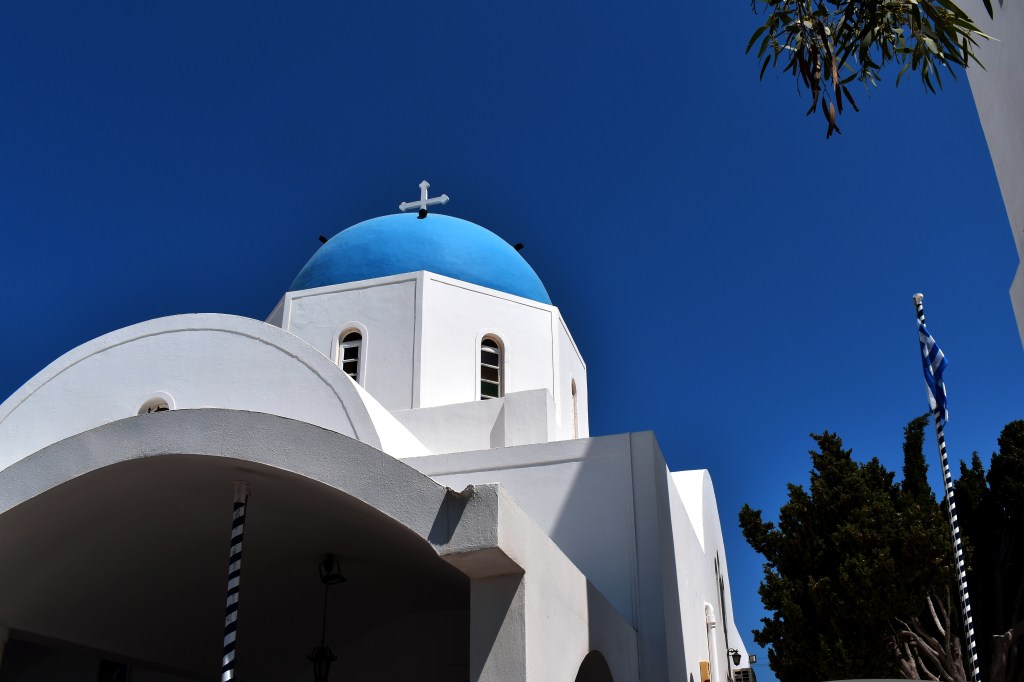
Church of Agios Gerasimos, Firostefani
An Alternative Development Proposal
During my visit to Santorini, I stayed in Firostefani, known as the “crown” of Fira for its elevated location, A mere five-minute walk uphill from our hotel led to the Church of Agios Gerasimos, offering breathtaking views over the caldera. Development on Santorini is largely concentrated on the caldera side of the island, while undeniably beautiful, is also under immense pressure from tourism. Rather than focusing further development in this fragile area, I propose shifting development to the opposite side of the island.
This alternative area is still within close proximity to Santorini’s historic towns, allowing for easy access to key attractions, but would relieve the pressure on the caldera. By expanding accommodations and facilities on this side of the island, the cost of accommodation on Santorini is notoriously high; by developing this side of the island, Santorini could offer more affordable options to a wider range of tourists, making the island accessible to families, solo travellers, and adventure tourists.
This strategic development would not only preserve the existing caldera-side towns but also contribute to the long-term economic sustainability of Santorini by increasing tourism revenue. A well-planned expansion of infrastructure and services on the other side of the island could breathe new life into underutilised areas, ensuring Santorini continues to thrive while preserving its natural beauty for future generations.
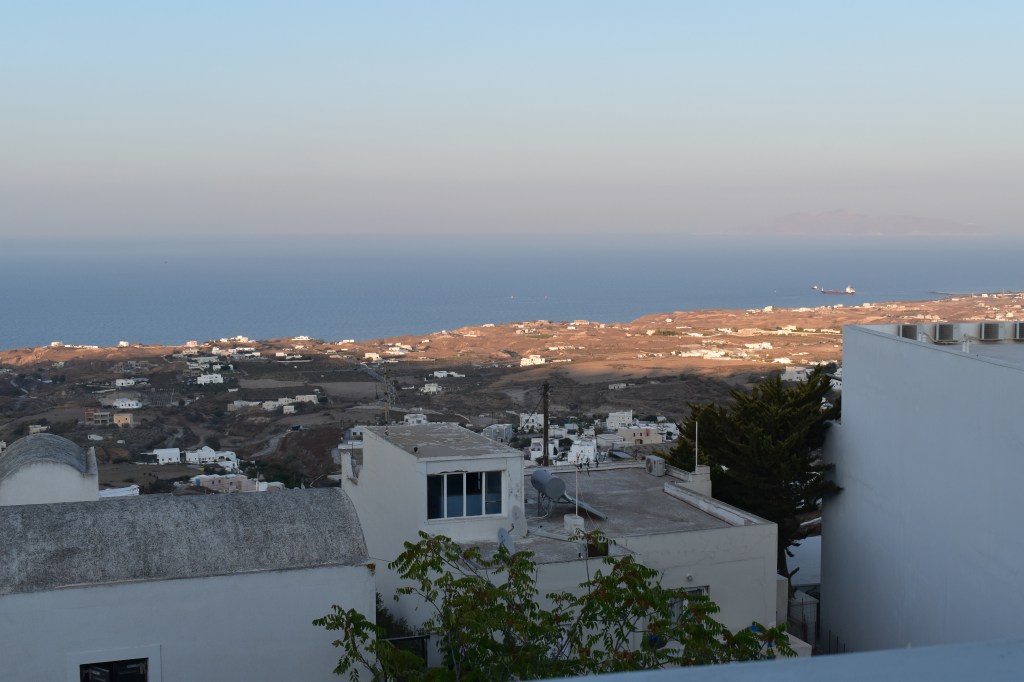
uNDEVELOPED eASTERN SIDE OF SANTORINI
Conclusion
The preservation of Santorini’s unique landscape is undoubtedly of the utmost importance. However, the recent legislation seems to be more of a reaction to the growing challenges posed by overwhelming mass tourism than a carefully considered long-term strategy for the island’s future.
I would urge the government to instead embrace the transformations that will shape the future of the island. More than most places, Santorini has been a warrior of change. From the cataclysmic destruction of its great Minoan colony in around 1600 BC as a result of a volcanic eruption of Nea Kameni to the further devastatingly destructive earthquake in January of 1950. Prior to the 1950 eruption, Santorini’s economy was predominantly agricultural, a system which endured great variation in success and stability, with the island’s inhabitants facing great hardships, including periods of famine. It seems that for all the setbacks the island has endured, it repeatedly reforms itself to be evermore beautiful. It is no wonder that tourists are so drawn to this place.
The Santorini we see today is unrecognisable compared to its early 20th-century state, having undergone immense transformation largely driven by tourism. While I strongly advocate for the preservation of historical architecture, the achievement of this goal requires substantial financial resources. Limiting new construction risks restricting tourism, which accounts for 90% of the island’s income as of 2020. Such legislation may inadvertently hinder the island’s ability to fund preservation efforts and support its economy.
While the new legislation may be well-intentioned, it is ultimately shortsighted. Santorini’s future depends on more than just halting development, it requires a nuanced strategy that balances preservation with economic sustainability. Santorini’s rich history of resilience and transformation should serve as a guiding principle for future development. The government should build on this legacy by embracing the changes that will shape its future. Restrictive legislation that limits construction and tourism may jeopardise the financial resources needed to preserve the island’s architectural heritage. Instead of stifling growth, the government should work with local businesses and residents to shape a future where Santorini can continue to thrive both culturally and economically. The current draft legislation, however, risks turning Santorini into a museum piece, frozen in time but no longer able to sustain itself. Only by embracing change can Santorini continue to thrive, both as a cherished historical site and a vibrant, economically sustainable destination.
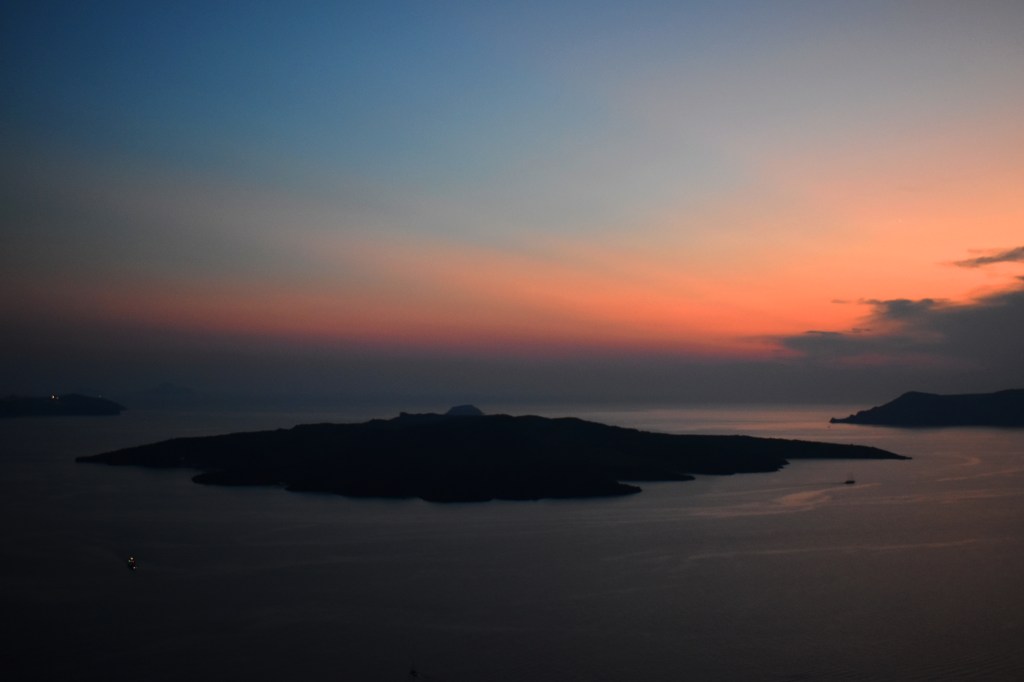
View of Nea Kameni, Santorini’s active volcano
‘Only by embracing change can Santorini continue to thrive, both as a cherished historical site and a vibrant, economically sustainable destination.’
Alyssa Denise Walsh
 Alyssa Denise Walsh