


IA Architecture
EASTER PORTFOLIO
CLARE COLLEGE CAMBRIDGE
ALYSSA DENISE WALSH






NOTICE
This website is in the midst of its transition, marking a new chapter beyond the alyssawalsh.com site that has carried my work for seven years. You may find portions still taking shape.
01.1
PROJECT BRIEF
PROJECT INTRODUCTION
TOPIC
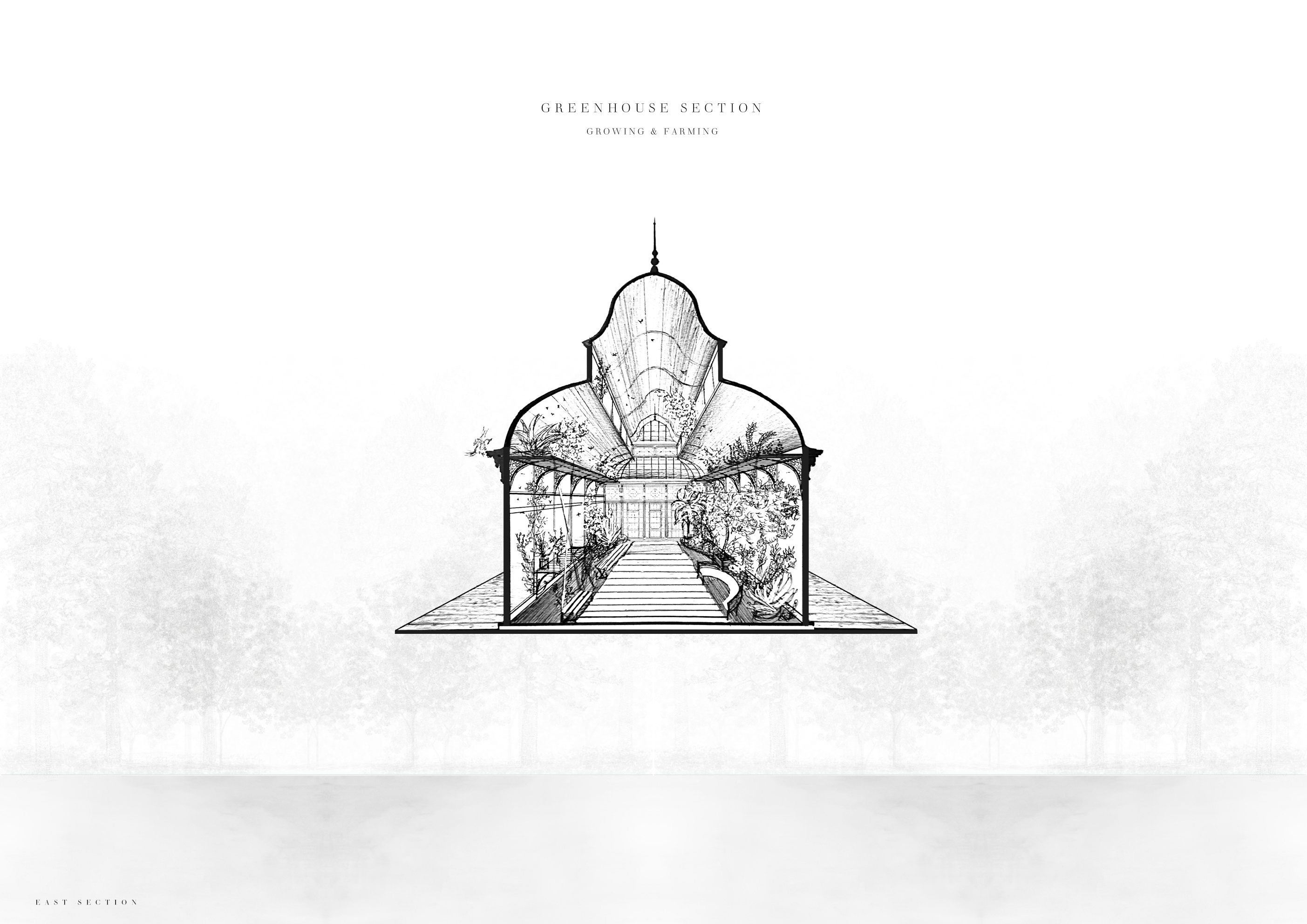
Growing and farming (productive river ecosystems)
RULES
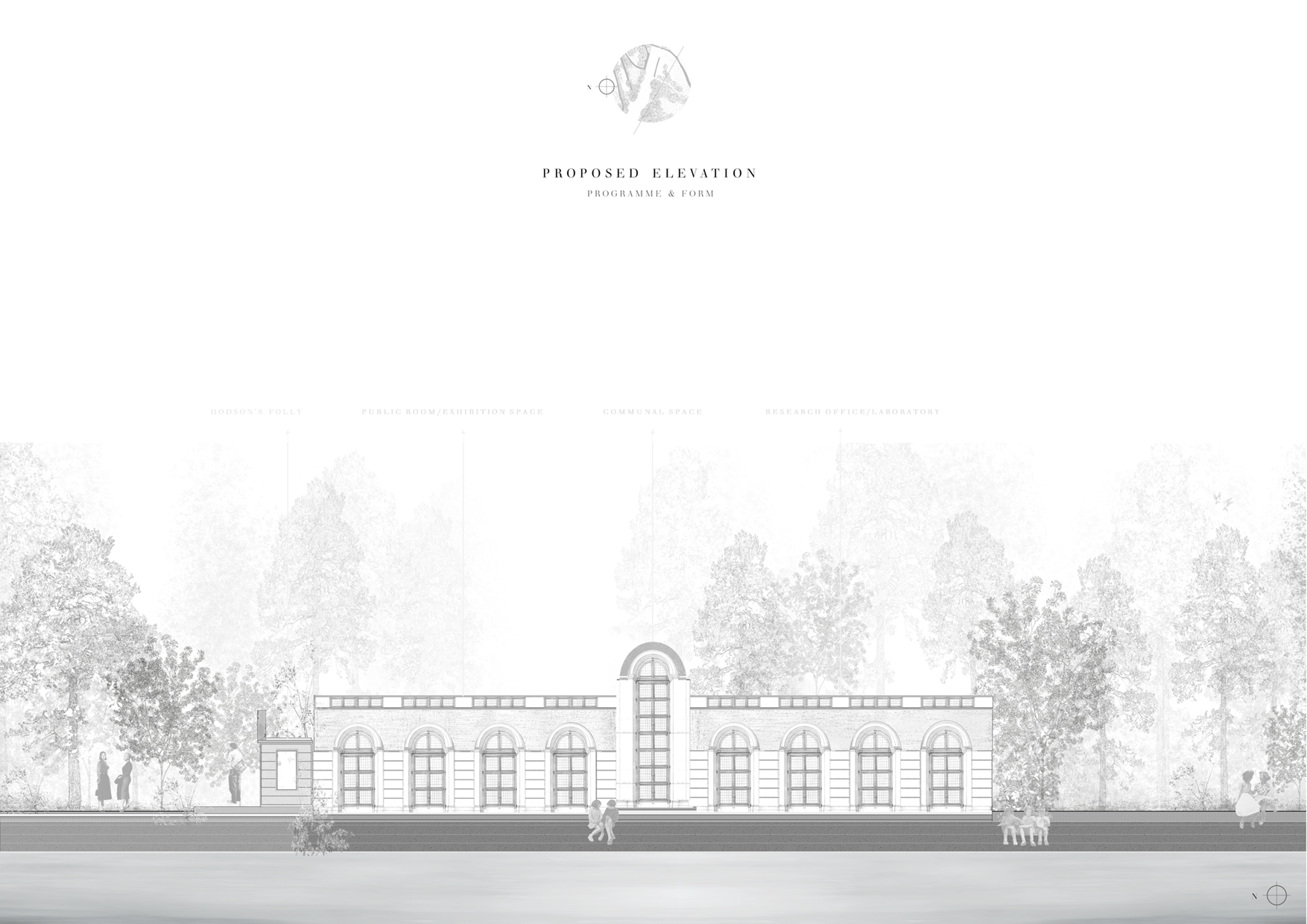
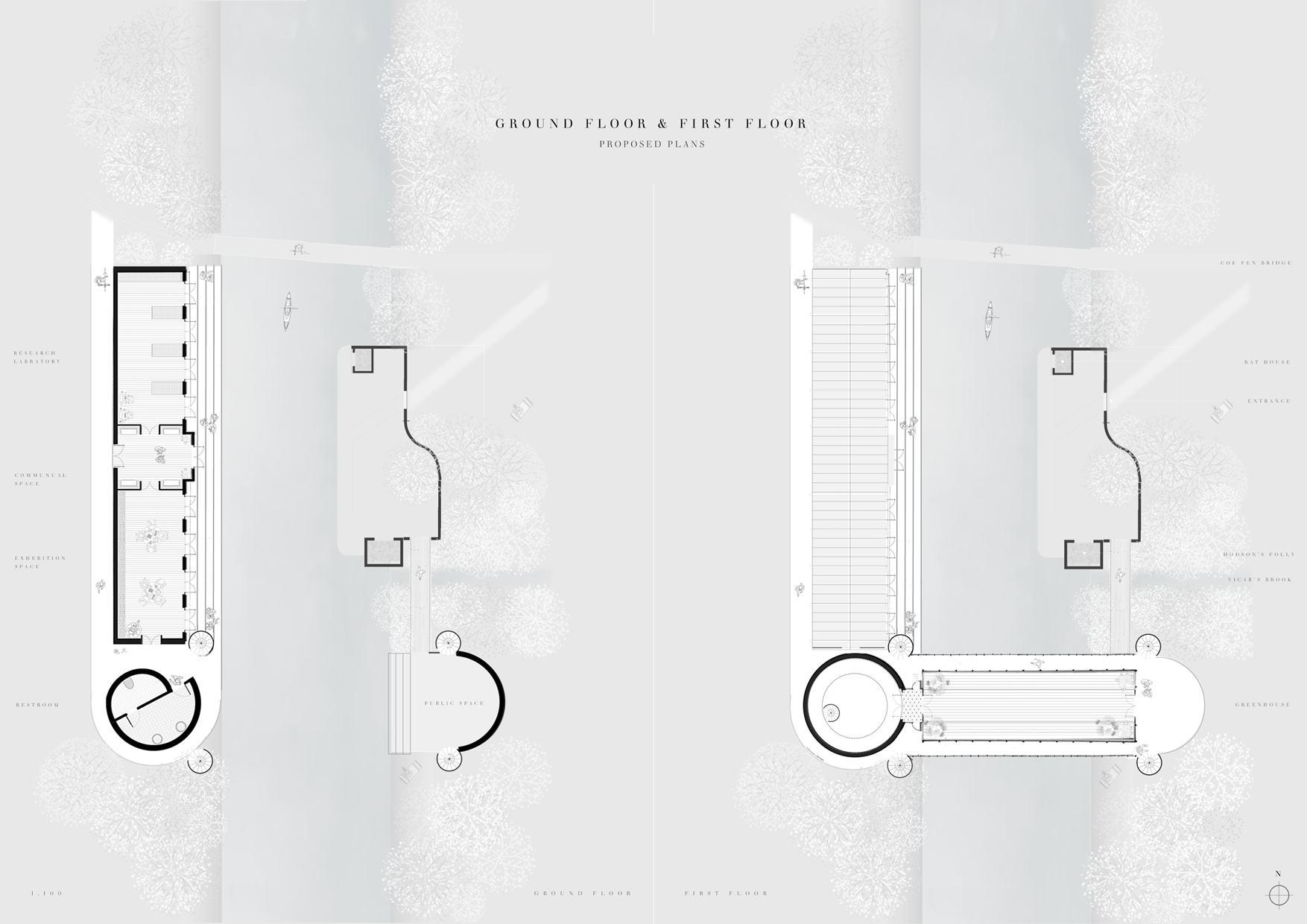
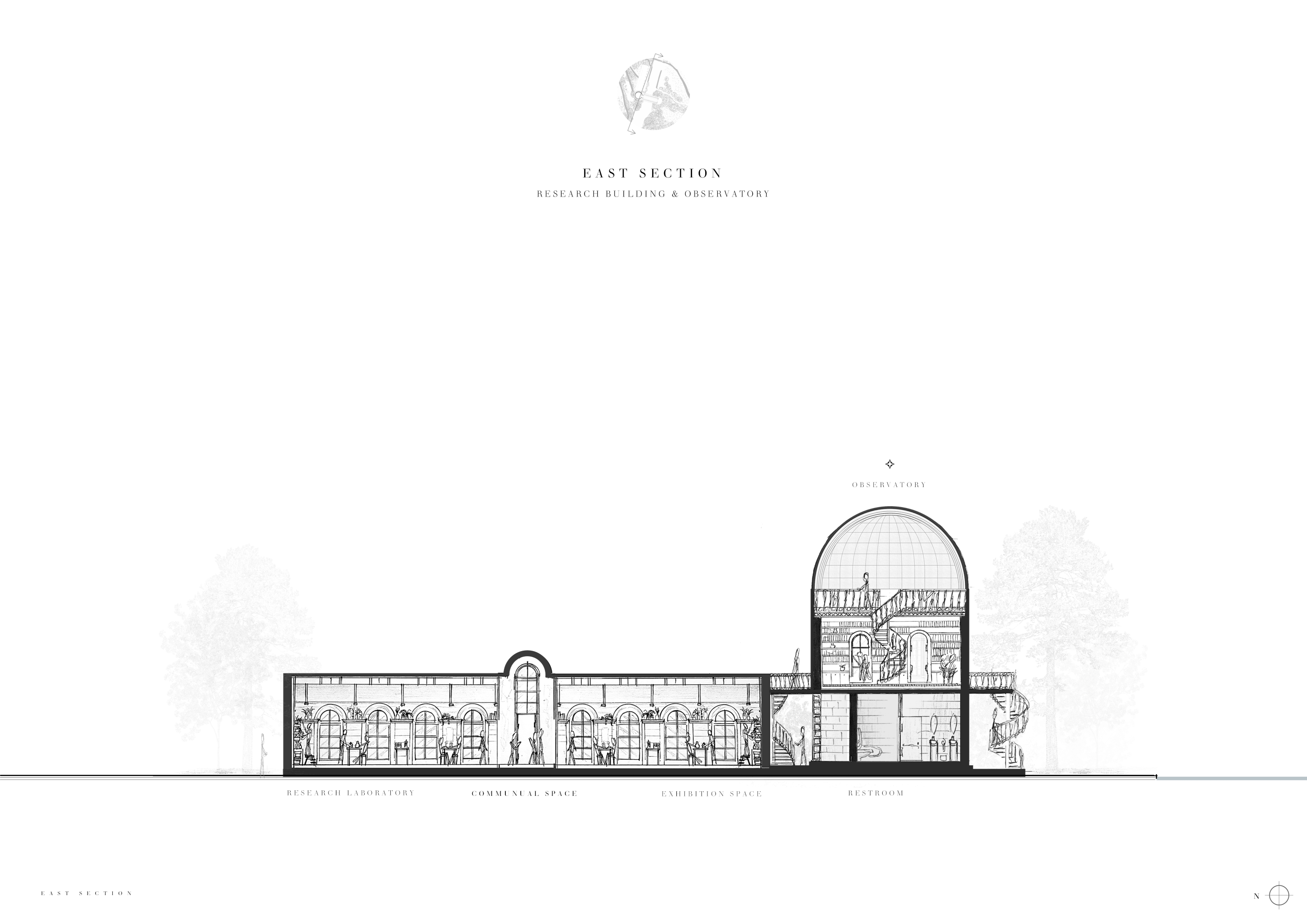
Research Office/Laboratory: 15-20 m² (flexible workspace for scientific study) + Bathroom: 2.5-4 m² (with considerations for water usage)
Communal Space: 5 m² (gathering area for researchers)
Public Room/Exhibition Space: 35-50 m² (interface between research and public)
Wet Programme: Maximum 100 m² (direct engagement with water
Following the exploration of the Fen Atlas, this project challenges you to design a research station that actively engages with river ecosystems. Your project will investigate the critical relationship between research infrastructure and water, focusing on how architecture can mediate between scientific inquiry and public engagement.
01.1
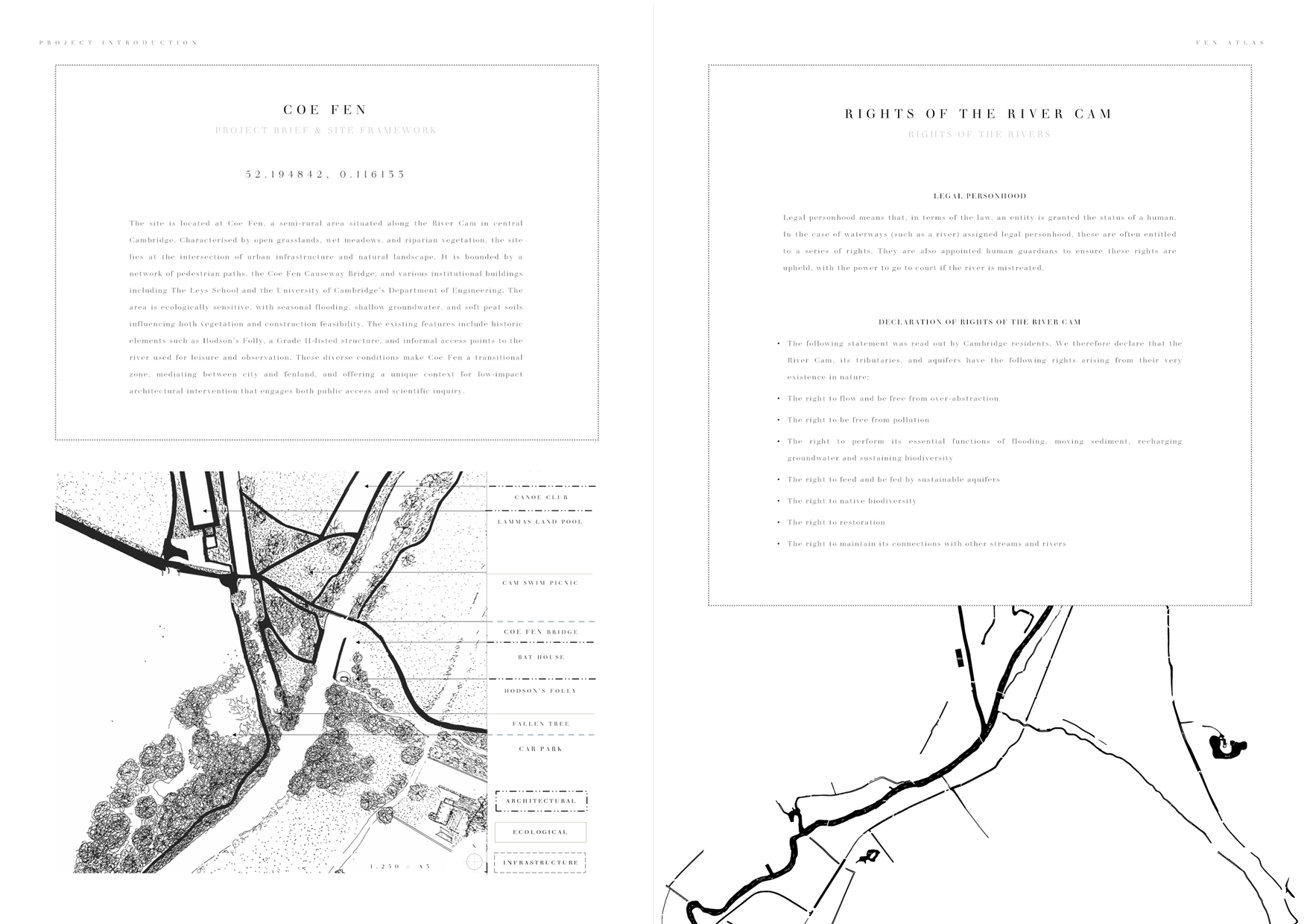
COE FEN
PROJECT BRIEF & SITE FRAMEWORK
52.194842, 0.116133
The site is located at Coe Fen, a semi-rural area situated along the River Cam in central Cambridge. Characterised by open grasslands, wet meadows, and riparian vegetation, the site lies at the intersection of urban infrastructure and natural landscape. It is bounded by a network of pedestrian paths, the Coe Fen Causeway Bridge, and various institutional buildings including The Leys School and the University of Cambridge’s Department of Engineering. The area is ecologically sensitive, with seasonal flooding, shallow groundwater, and soft peat soils influencing both vegetation and construction feasibility. The existing features include historic elements such as Hodson’s Folly, a Grade II-listed structure, and informal access points to the river used for leisure and observation. These diverse conditions make Coe Fen a transitional zone, mediating between city and fenland, and offering a unique context for low-impact architectural intervention that engages both public access and scientific inquiry.

01.1
RIGHTS OF THE RIVER CAM
RIGHTS OF THE RIVERS

LEGAL PERSONHOOD
Legal personhood means that, in terms of the law, an entity is granted the status of a human. In the case of waterways (such as a river) assigned legal personhood, these are often entitled to a series of rights. They are also appointed human guardians to ensure these rights are upheld, with the power to go to court if the river is mistreated.
DECLARATION OF RIGHTS OF THE RIVER CAM
•The following statement was read out by Cambridge residents. We therefore declare that the River Cam, its tributaries, and aquifers have the following rights arising from their very existence in nature:
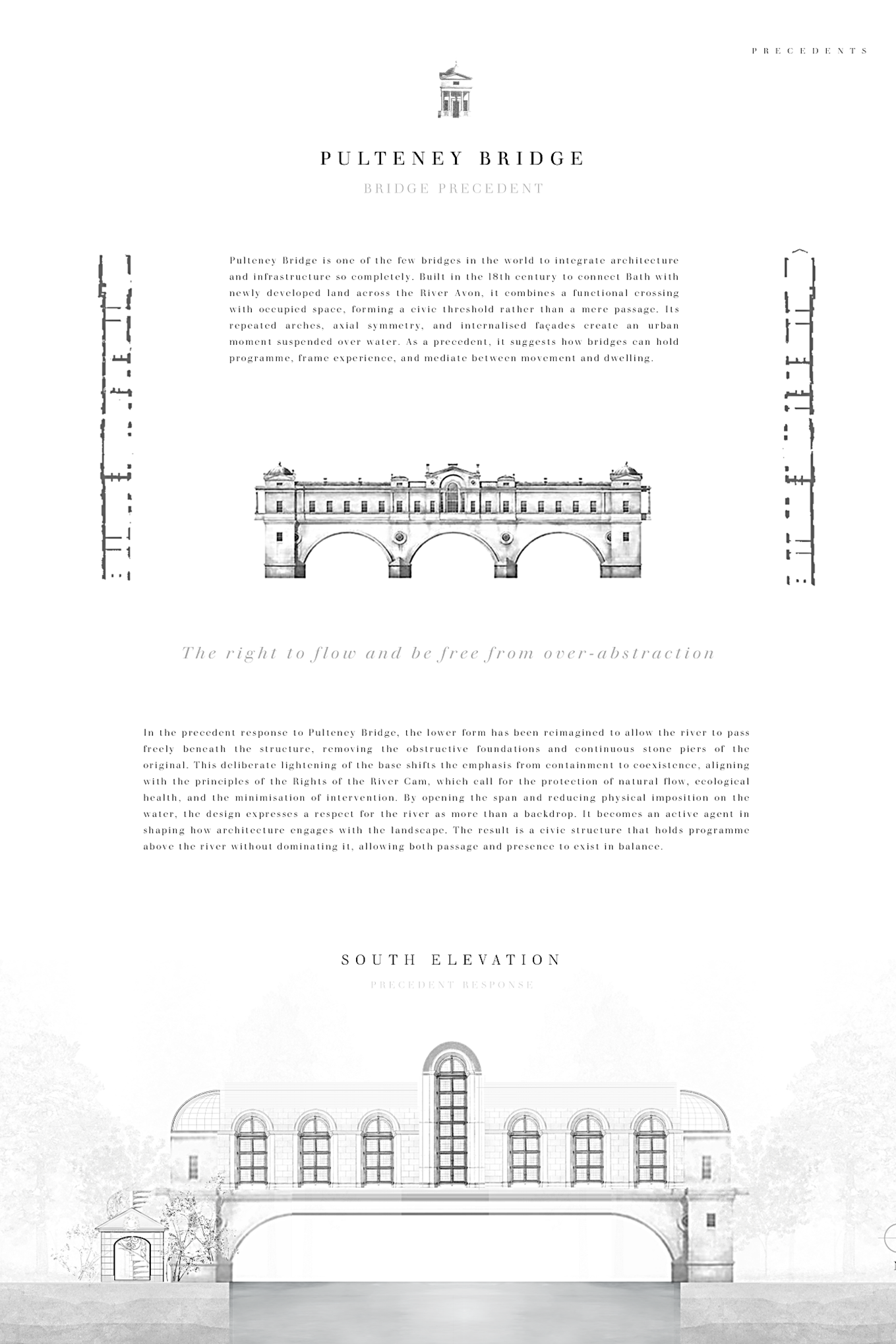
•The right to flow and be free from over-abstraction
•The right to be free from pollution
•The right to perform its essential functions of flooding, moving sediment, recharging groundwater and sustaining biodiversity
•The right to feed and be fed by sustainable aquifers
•The right to native biodiversity
•The right to restoration
•The right to maintain its connections with other streams and rivers
01.1

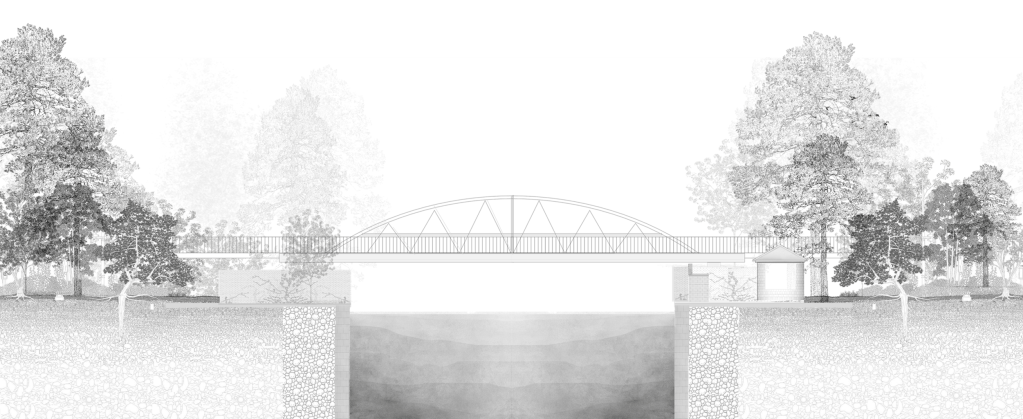
COE FEN BRIDGE
NORTH SITE SECTION
PRIMARY SOIL TYPES
PRIMARY SOIL AND SEDIMENT TYPES IN COE FEN
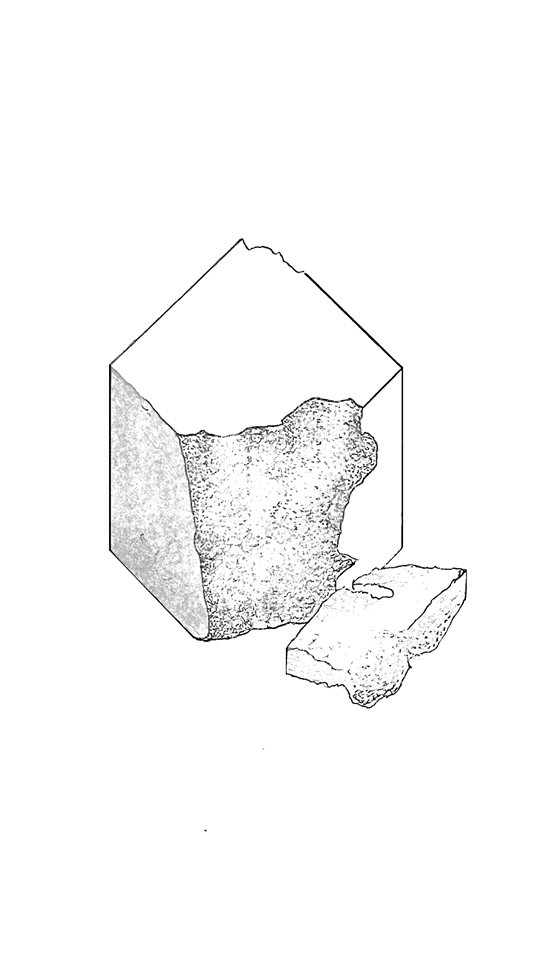
GAULT CLAY
- The underlying bedrock layer beneath parts of Coe Fen.
- Impermeable prevents drainage, leading to high groundwater and surface saturation.
- Promotes wetland formation when combined with low elevation.
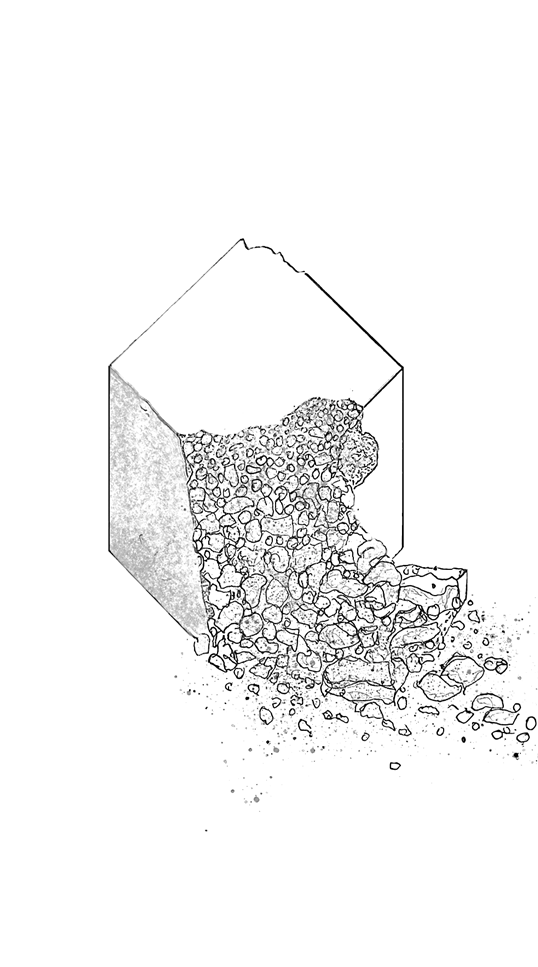
ALLUVIUM
- Deposited by the River Cam and its tributaries during flooding.
- Made up of silts, sands, and clays rich in nutrients and supports high biodiversity.
- Found near riverbanks, it forms the soft floodplain soils of Coe Fen

PEAT
- Found extensively across Coe Fen due to its historic wetland conditions.
- High organic content, very fertile.
- Easily waterlogged, vulnerable to erosion and oxidation when drained.
- Supports pluviculture (wet farming) and stores large amounts of carbon.
01.1
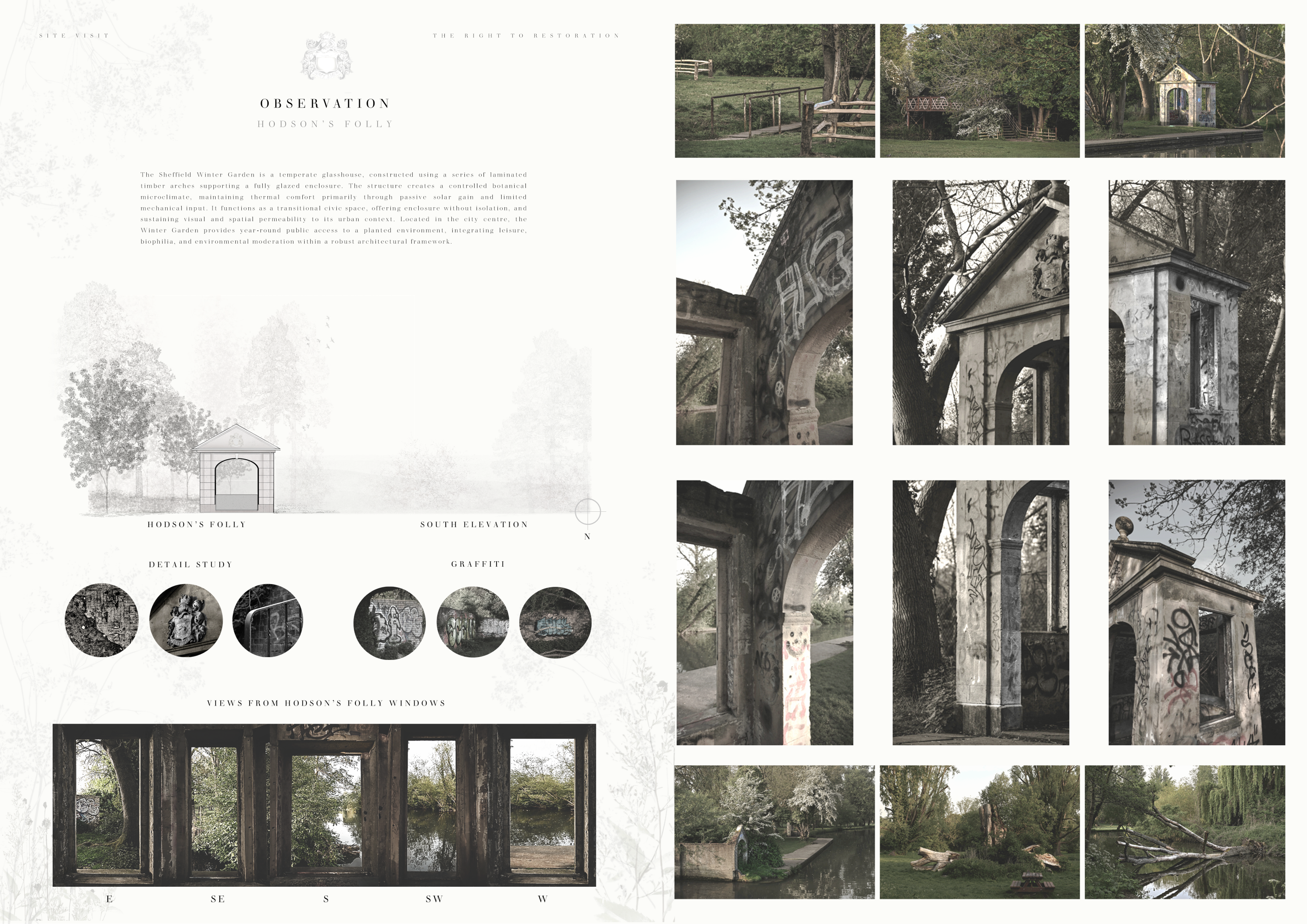
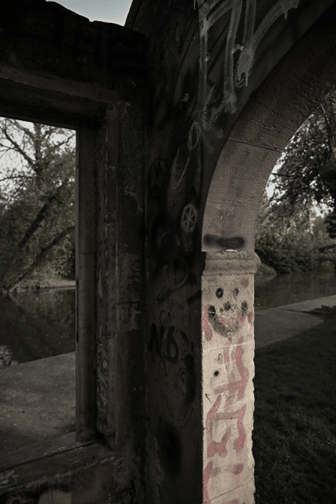
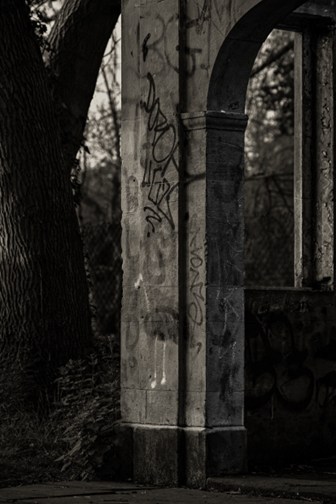
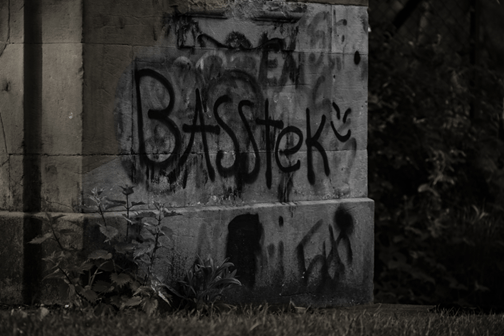
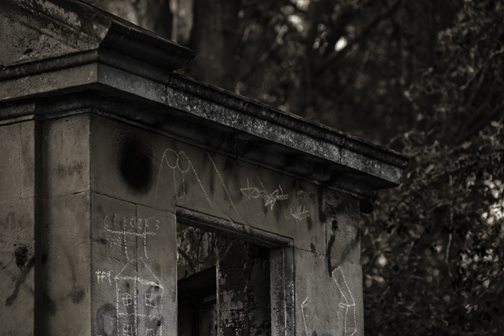
HODGSON’S FOLLY
Historical Context
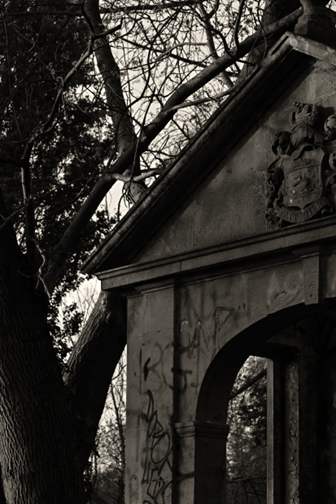
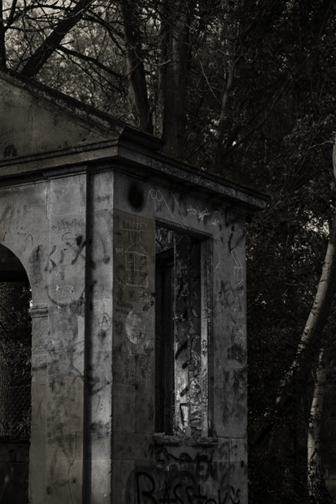
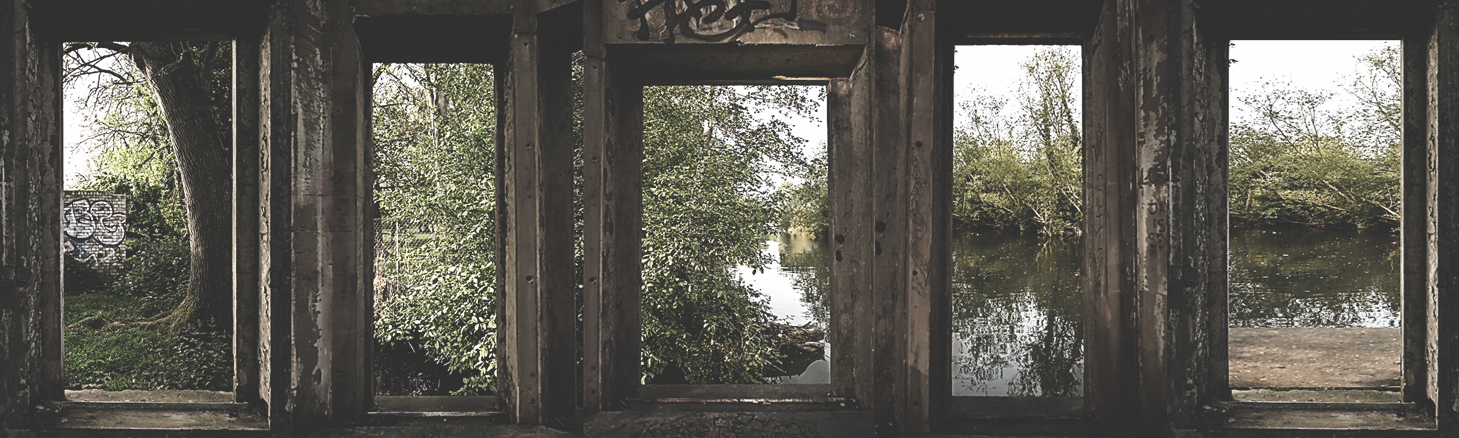
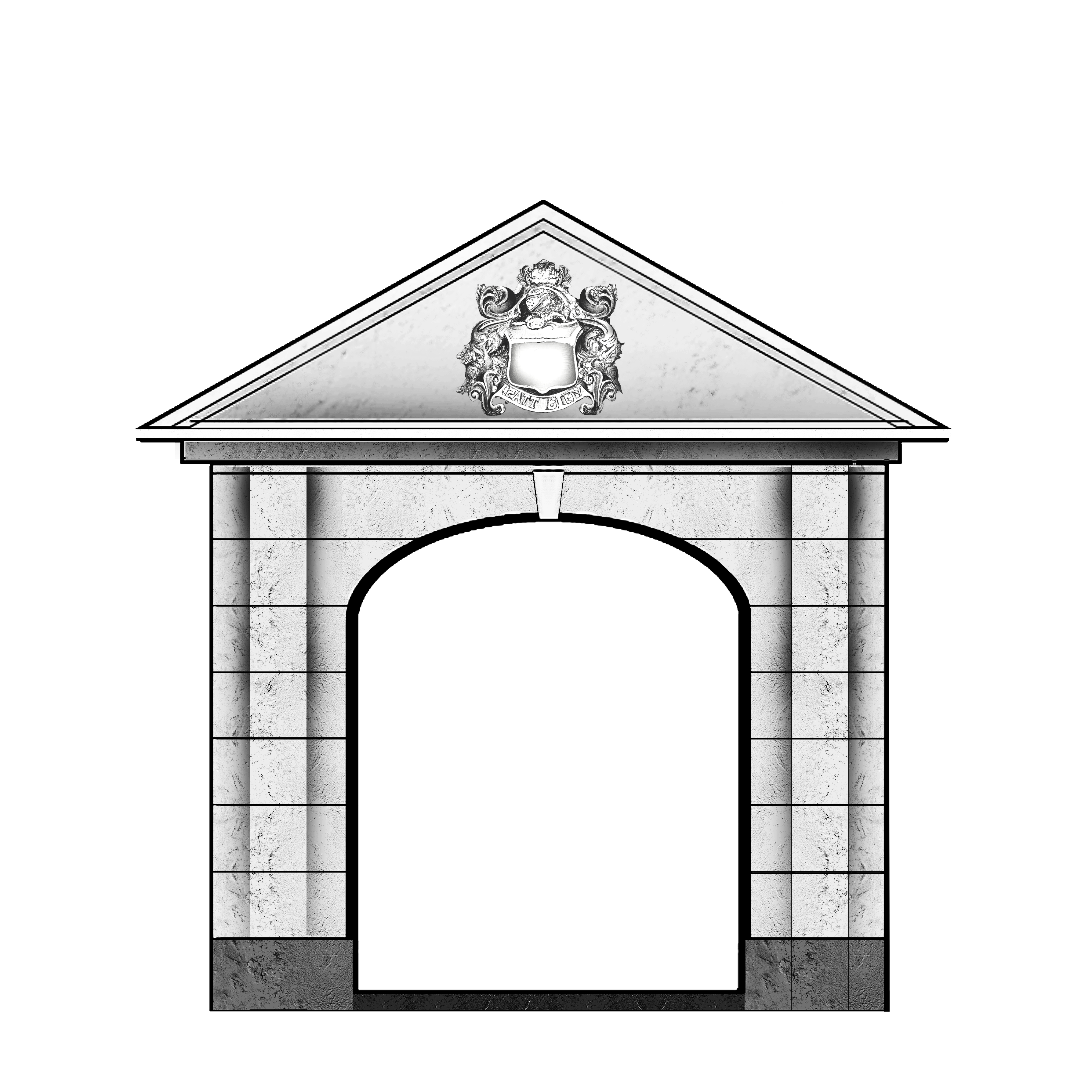
Hodgson’s Folly is a summerhouse built in 1887 by John Hodson, a butler at Pembroke College, to keep an eye on his daughter as she swam in the river.
Observations
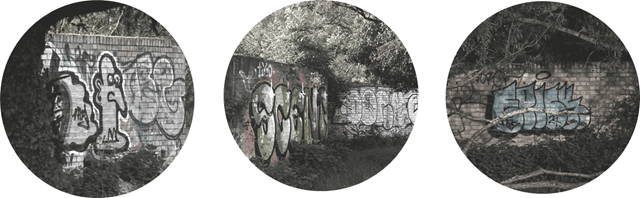
During the site visit, the folly was covered in graffiti and litter and very much in a state of decay. Further research shows the beginning of this decay cycle likely began around 2020, where it is pictured to be entirely free of such vandalism. While in 2022, there was notable progression, much of this has occurred within the last few years. The blue plaque has also since been covered to the extent of illegibility.




DETAIL STUDY

GRAFFITI STUDY
GRAFFITI STUDY
E
SE
S
SW
W
01.1
HODGSON’S FOLLY
01.1
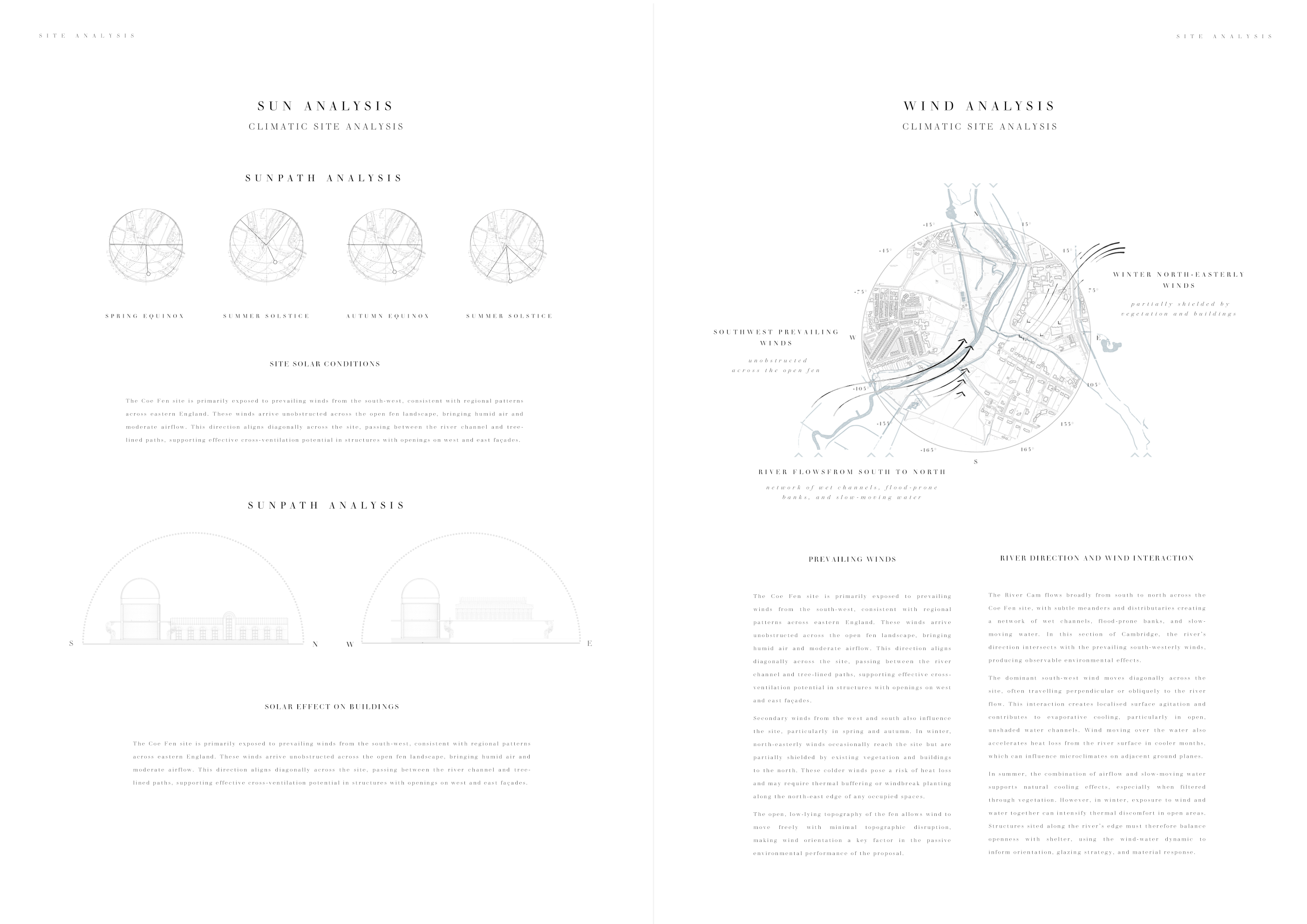
SUN ANALYSIS
CLIMATIC SITE ANALYSIS
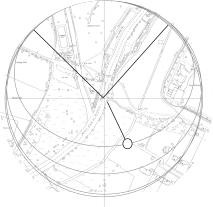
SUNPATH ANALYSIS
SPRING EQUINOX
SUMMER SOLSTICE
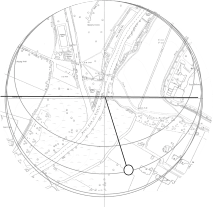
AUTUMN EQUINOX
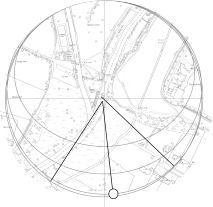
SUMMER SOLSTICE
SITE SOLAR CONDITIONS
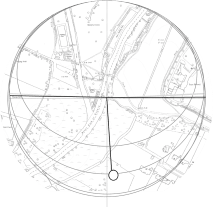
The Coe Fen site is primarily exposed to prevailing winds from the south-west, consistent with regional patterns across eastern England. These winds arrive unobstructed across the open fen landscape, bringing humid air and moderate airflow. This direction aligns diagonally across the site, passing between the river channel and tree-lined paths, supporting effective cross-ventilation potential in structures with openings on west and east façades.
SUNPATH ANALYSIS

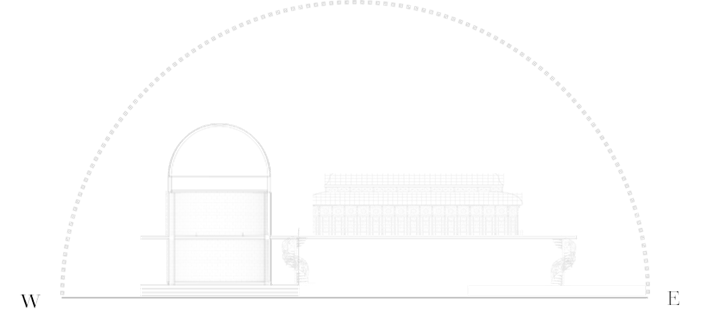
SOLAR EFFECT ON BUILDINGS
The Coe Fen site is primarily exposed to prevailing winds from the south-west, consistent with regional patterns across eastern England. These winds arrive unobstructed across the open fen landscape, bringing humid air and moderate airflow. This direction aligns diagonally across the site, passing between the river channel and tree-lined paths, supporting effective cross-ventilation potential in structures with openings on west and east façades.
01.1
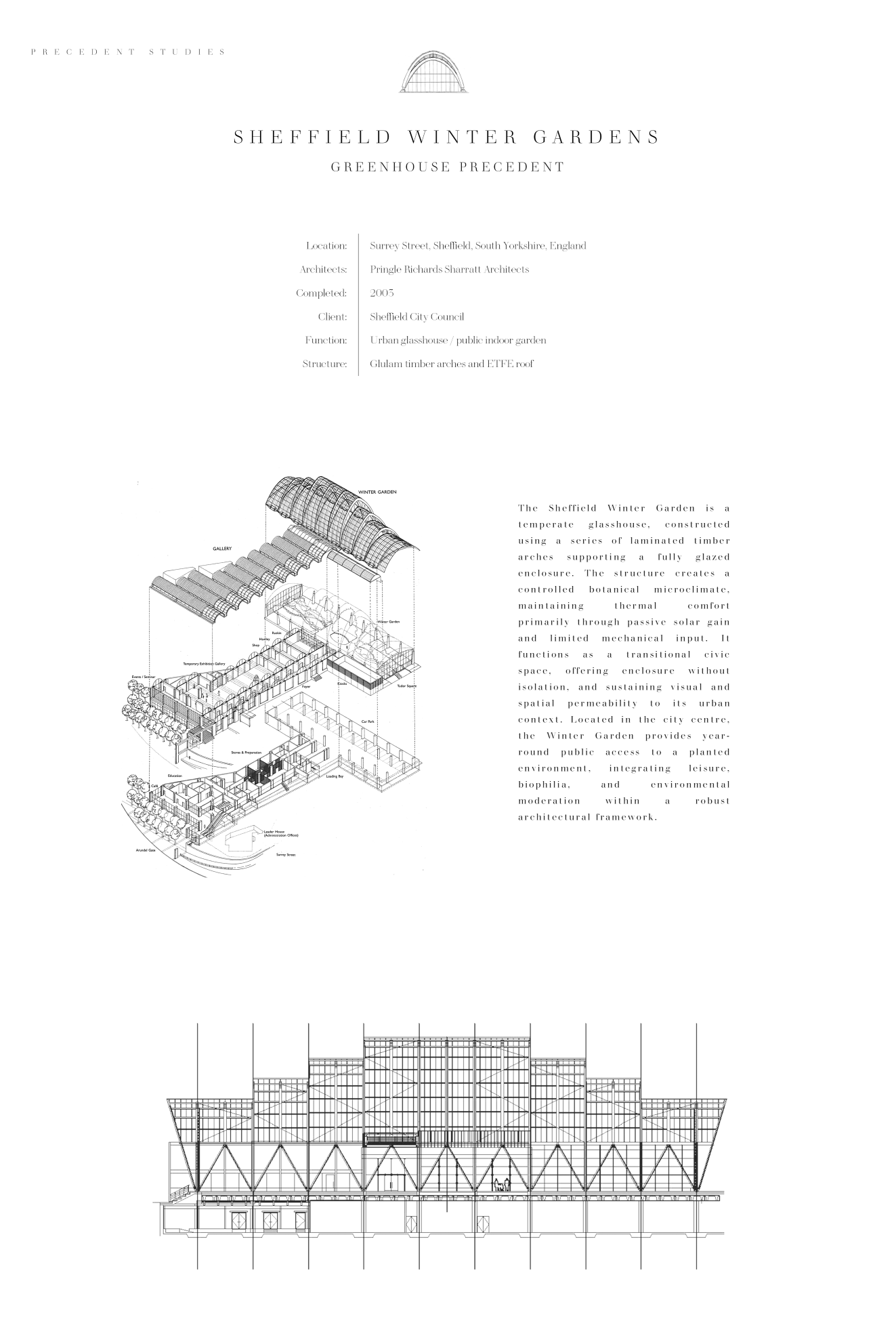
Precedent Studies
.
01.1

01.1

01.1
01.1
 Alyssa Denise Walsh